GOVERNED GROWERS · STATE LICENSE MAP
Who gets to grow?
Every state answers differently.
A starting point for reading the rule behind the storefront: who may cultivate, how tightly licenses are controlled, and where the market is still only a promise.
THE NATIONAL VIEW
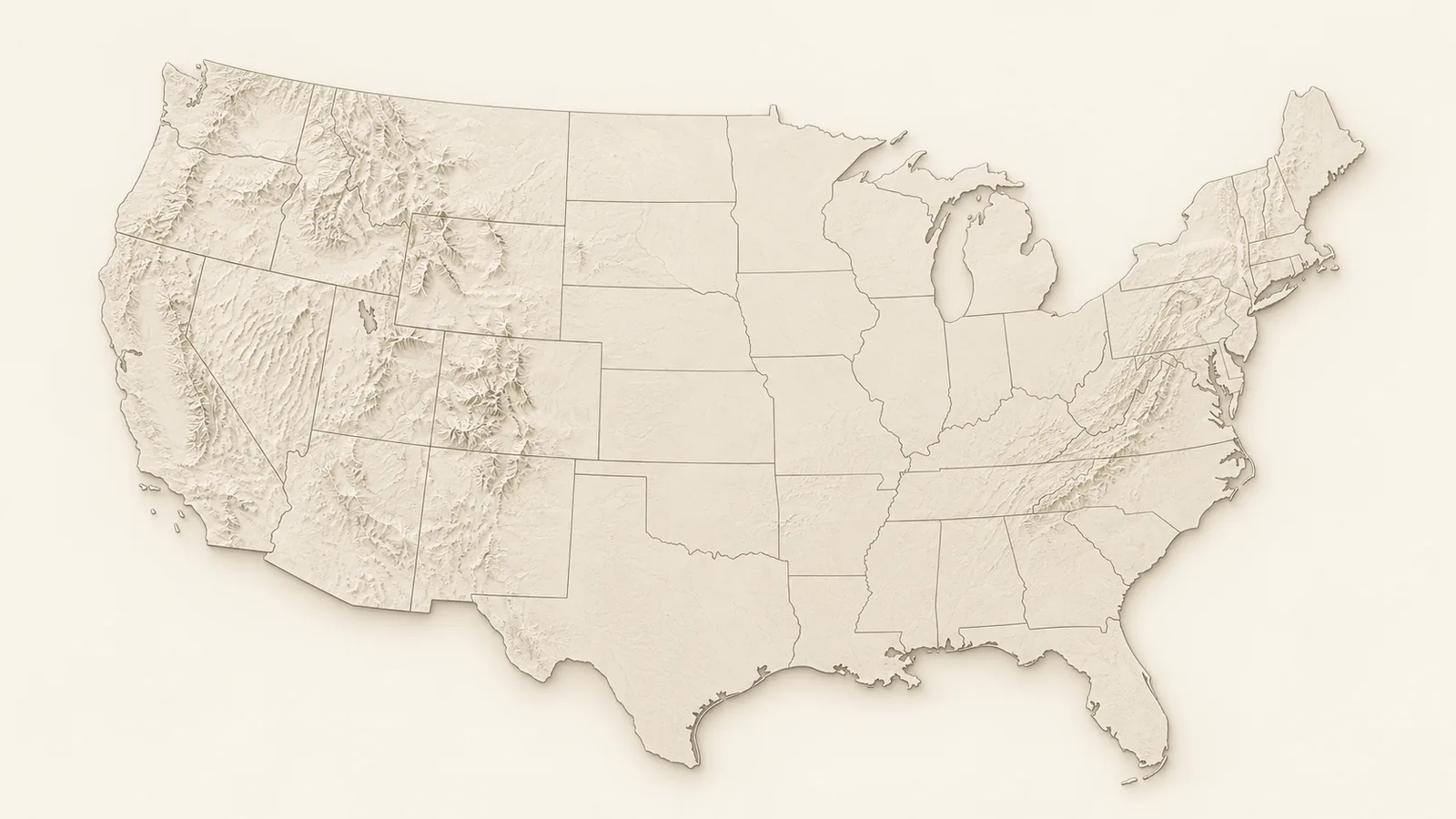
Every pin has a rule behind it.
Hover or tap a pin to open that state’s full license picture.
 ALAKAZARCACOCTDEDCFLGAHIIDILINIAKSKYLAMEMDMAMIMNMSMOMTNENVNHNJNMNYNCNDOHOKORPARISCSDTNTXUTVTVAWAWVWIWY
Hover a pin for its state name. Tap any pin to read its state page. Green is an established program, amber is limited, and red has no statewide program. An amber rim marks a limited jurisdictional exception.
READ THE RULE, THEN THE LABEL
A license map, not a shopping list.
A state can allow cannabis without offering broad access to cultivation. These pages separate operating markets, limited medical programs, and states without statewide licensing. Each state page links back to the regulator or source behind the summary.
THE DIRECTORY
Find a state. See the structure.
Showing all 51 jurisdictions
Alabama
Medical only
Numeric or lottery cap
Alabama capped a medical program, then spent years in court before the first dispensary opened in June 2026. Smokable flower is not allowed. Integrated grower licenses were still tied up in hearings.
Read the rule →Alaska
Medical + recreational
Open licensing
Alaska has allowed adult-use sales since 2014 and does not set a statewide numerical cap. Distance, local bans, and the cost of building a grow shape a small market.
Read the rule →Arizona
Medical + recreational
Numeric or lottery cap
Arizona ties the number of adult-use licenses to the number of pharmacies, and each license is fully vertical. The way in is to buy an existing license, not to wait for an open application season.
Read the rule →Arkansas
Medical only
Numeric or lottery cap
Arkansas wrote the cap into the constitution itself: eight cultivators and forty dispensaries. The market is medical only, and those numbers do not move without another constitutional vote.
Read the rule →California
Medical + recreational
Open licensing
California will license a qualified applicant. More than half of cities and counties will not. Local government, not a statewide number, is the cap that matters.
Read the rule →Colorado
Medical + recreational
Open licensing
Colorado was one of the first adult-use states and never set a statewide license cap. Cities set their own limits, and the growers are mostly local companies.
Read the rule →Connecticut
Medical + recreational
Numeric or lottery cap
Connecticut let its medical producers become the first adult-use growers, then awards new retailers by lottery. Half of those retail rounds are set aside for social equity.
Read the rule →Delaware
Medical + recreational
Numeric or lottery cap
Delaware opened adult-use sales on a limited, county-balanced set of licenses. It did not open an unlimited window for new growers.
Read the rule →District of Columbia
Medical + recreational
Numeric or lottery cap
Adults in the District may possess and grow cannabis, but Congress has blocked the city from spending money to regulate adult-use sales. The licensed supply is the medical program.
Read the rule →Florida
Medical only
A few vertical licenses
Florida licenses medical marijuana treatment centers, and each license is vertical: one company grows, processes, and dispenses. There is no adult-use market. In September 2026 the state issued its first large batch of new licenses since the program began.
Read the rule →Georgia
Medical only
A few vertical licenses
Georgia issued two Class 1 production licenses and later added Class 2 production licenses. A 2026 law made the program more usable. Smoking flower is still prohibited.
Read the rule →Hawaii
Medical only
A few vertical licenses
Hawaii issued eight medical dispensary licenses in 2016: three on Oahu, two on Hawaii Island, two on Maui, and one on Kauai. It has not issued another. Each license is a vertical grower.
Read the rule →Idaho
Neither statewide program
No state-licensed growers
Idaho has neither a medical program nor a low-THC exception. There is no license to grow cannabis for sale. A November 2026 amendment would make a voter initiative even harder.
Read the rule →Illinois
Medical + recreational
Numeric or lottery cap
Illinois built adult-use on 21 original cultivation centers, then added a social-equity craft-grower class that has been slow to open. One company may hold up to ten adult-use dispensary licenses.
Read the rule →Indiana
Neither statewide program
No state-licensed growers
Indiana has no medical or recreational program. Products under 0.3 percent THC are not a cultivation license.
Read the rule →Iowa
Medical only
A few vertical licenses
Iowa’s program is medical cannabidiol, not a flower market. Two manufacturers grow and supply a handful of dispensaries.
Read the rule →Kansas
Neither statewide program
No state-licensed growers
Kansas has no medical or recreational program and no licensed growers.
Read the rule →Kentucky
Medical only
Numeric or lottery cap
Kentucky opened a new medical market and split it into canopy tiers and regional dispensary licenses. Sales began in 2025. The cabinet’s licensee list is the roster that matters.
Read the rule →Louisiana
Medical only
A few vertical licenses
Louisiana licensed two manufacturers to grow and process for the entire state. Retail is a separate cap: ten base permits, and each of those may add two satellites.
Read the rule →Maine
Medical + recreational
Open licensing
Maine licenses adult-use stores and a large medical caregiver cultivation channel side by side. There is no statewide monopoly and no hard statewide store cap. Towns are the gate.
Read the rule →Maryland
Medical + recreational
Numeric or lottery cap
Maryland grew adult-use sales out of a capped medical program. Converted licenses were locked so the companies that already held them could not sell those licenses right away.
Read the rule →Massachusetts
Medical + recreational
Open licensing
Massachusetts has no statewide license ceiling. In 2026 it froze new cultivation licenses, and the number of stores one owner may hold rose from three to six. Voters decide in November 2026 whether adult-use sales continue.
Read the rule →Michigan
Medical + recreational
Open licensing
Michigan does not cap licenses at the state level. Cities and townships opt in and may set their own limits. The result is hundreds of stores.
Read the rule →Minnesota
Medical + recreational
Numeric or lottery cap
Minnesota capped the main adult-use license types through July 1, 2026 so the rollout would not repeat an uncapped rush. Tribal nations sold cannabis before most state licensees did.
Read the rule →Mississippi
Medical only
Open licensing
Mississippi licensed a cultivator class and capped how much of it one owner can hold. Cities are not the only gate. Sales are medical only.
Read the rule →Missouri
Medical + recreational
Numeric or lottery cap
Missouri converted a medical market into adult-use and added microbusiness licenses for people shut out of the first round. One owner cannot collect cultivation licenses without a limit.
Read the rule →Montana
Medical + recreational
Open licensing
Montana grew adult-use sales out of the medical providers it already had. It did not open a national licensing round. Tribes and local governments shape who can operate.
Read the rule →Nebraska
Medical only
No state-licensed growers
Nebraska voters approved medical cannabis in 2024. There were still no legal sales in October 2026. Regulators have pointed at 2027.
Read the rule →Nevada
Medical + recreational
Numeric or lottery cap
Nevada handed out adult-use dispensary licenses in county-by-county rounds. Cultivation is competitive among those licensees. A company may grow and sell, and it does not have to.
Read the rule →New Hampshire
Medical only
A few vertical licenses
New Hampshire is the only New England state without adult-use sales. A few nonprofit treatment centers grow everything patients can legally buy.
Read the rule →New Jersey
Medical + recreational
Numeric or lottery cap
New Jersey started adult-use sales from a small set of medical treatment centers, then added cultivators and retailers in paced rounds. A license holder is limited to one business in each class.
Read the rule →New Mexico
Medical + recreational
Open licensing
New Mexico legalized adult-use in 2021 and did not cap the number of producers. A microbusiness license is the small vertical option.
Read the rule →New York
Medical + recreational
Numeric or lottery cap
New York kept a small set of legacy medical growers and then licensed several hundred adult-use cultivators. Full vertical integration is the exception. Application windows, not one statewide number, meter new licenses.
Read the rule →North Carolina
Neither statewide program
No state-licensed growers
North Carolina does not issue cultivation licenses. The legal flower market residents can actually see is tribal, on the Qualla Boundary.
Read the rule →North Dakota
Medical only
A few vertical licenses
North Dakota keeps a small medical program. Manufacturing facilities grow and process for a short list of dispensaries. Adult-use measures have failed.
Read the rule →Ohio
Medical + recreational
Numeric or lottery cap
Ohio voters opened adult-use without a hard store cap. The legislature then set one: 400 dispensaries, and no more than eight per company.
Read the rule →Oklahoma
Medical only
Was open, now frozen
Oklahoma licensed medical growers without a statewide cap, and the roll grew into the thousands. It then froze new applications. Adult-use failed at the ballot.
Read the rule →Oregon
Medical + recreational
Was open, now frozen
Oregon licensed growers freely, then supply outran demand. A 2024 law replaced the moratorium with population ratios and kept new licenses shut.
Read the rule →Pennsylvania
Medical only
Numeric or lottery cap
Pennsylvania capped the number of medical grower-processors and has not opened adult-use sales. Adult-use bills died again in 2026. The growers are a limited permit class.
Read the rule →Rhode Island
Medical + recreational
Numeric or lottery cap
Rhode Island opened adult-use sales through its existing compassion centers, which were already vertical medical operators, and added new licenses slowly.
Read the rule →South Carolina
Neither statewide program
No state-licensed growers
South Carolina has no licensed cannabis growers. A 1980 medical statute was never given a supply system, and a newer low-THC law does not create stores.
Read the rule →South Dakota
Medical only
Numeric or lottery cap
South Dakota is medical only. Voters passed adult-use, the state supreme court threw it out, and a second adult-use vote failed.
Read the rule →Tennessee
Neither statewide program
No state-licensed growers
Tennessee has no statewide cannabis program. There is no licensed flower cultivation and no dispensary system.
Read the rule →Texas
Medical only
A few vertical licenses
Texas runs a restricted medical program, not an open flower market. Three dispensing organizations are operating. House Bill 46, in 2025, authorized twelve more, and the state has named conditional winners that are not yet open.
Read the rule →Utah
Medical only
Numeric or lottery cap
Utah voters passed a medical initiative. The legislature replaced it in a special session with a tighter design: separate cultivators, and a limited set of pharmacies.
Read the rule →Vermont
Medical + recreational
Numeric or lottery cap
Vermont built a small adult-use market around tiered cultivation, with a licensee holding one of each license type. The older medical dispensaries received a fuller integrated license.
Read the rule →Virginia
Medical + recreational
Regional monopoly
Virginia issued one medical cultivation license for each region of the state, so the licensed growers hold territories rather than competing for the same patients. Adult possession is already legal. Licensed adult-use stores are scheduled for July 1, 2027.
Read the rule →Washington
Medical + recreational
Was open, now frozen
Washington has sold adult-use cannabis since 2012 and kept growers from owning stores. New producer and retailer applications are not being taken.
Read the rule →West Virginia
Medical only
Numeric or lottery cap
West Virginia capped medical growers at ten and barred them from also owning dispensaries. Cultivation and retail are separate licenses on purpose.
Read the rule →Wisconsin
Neither statewide program
No state-licensed growers
Wisconsin has no medical or recreational program. The governor has proposed adult-use. The legislature has not passed it.
Read the rule →Wyoming
Neither statewide program
No state-licensed growers
Wyoming has no statewide cannabis program. There is no licensed cultivation or retail.
Read the rule →